Rooppur Nuclear Power Plant: A New Era of Energy in Bangladesh

Shawon
10 months ago • 08 Jun 2025
🔷 Introduction
Nestled along the banks of the mighty Padma River in Ishwardi, Pabna, the Rooppur Nuclear Power Plant (RNPP) stands as a beacon of Bangladesh's ambition for energy security, technological advancement, and sustainable growth. This power plant is not just a milestone in the country’s energy sector—it is the most sophisticated and largest infrastructure project in Bangladesh’s history.
Let’s explore the intricate details and significance of this groundbreaking project.
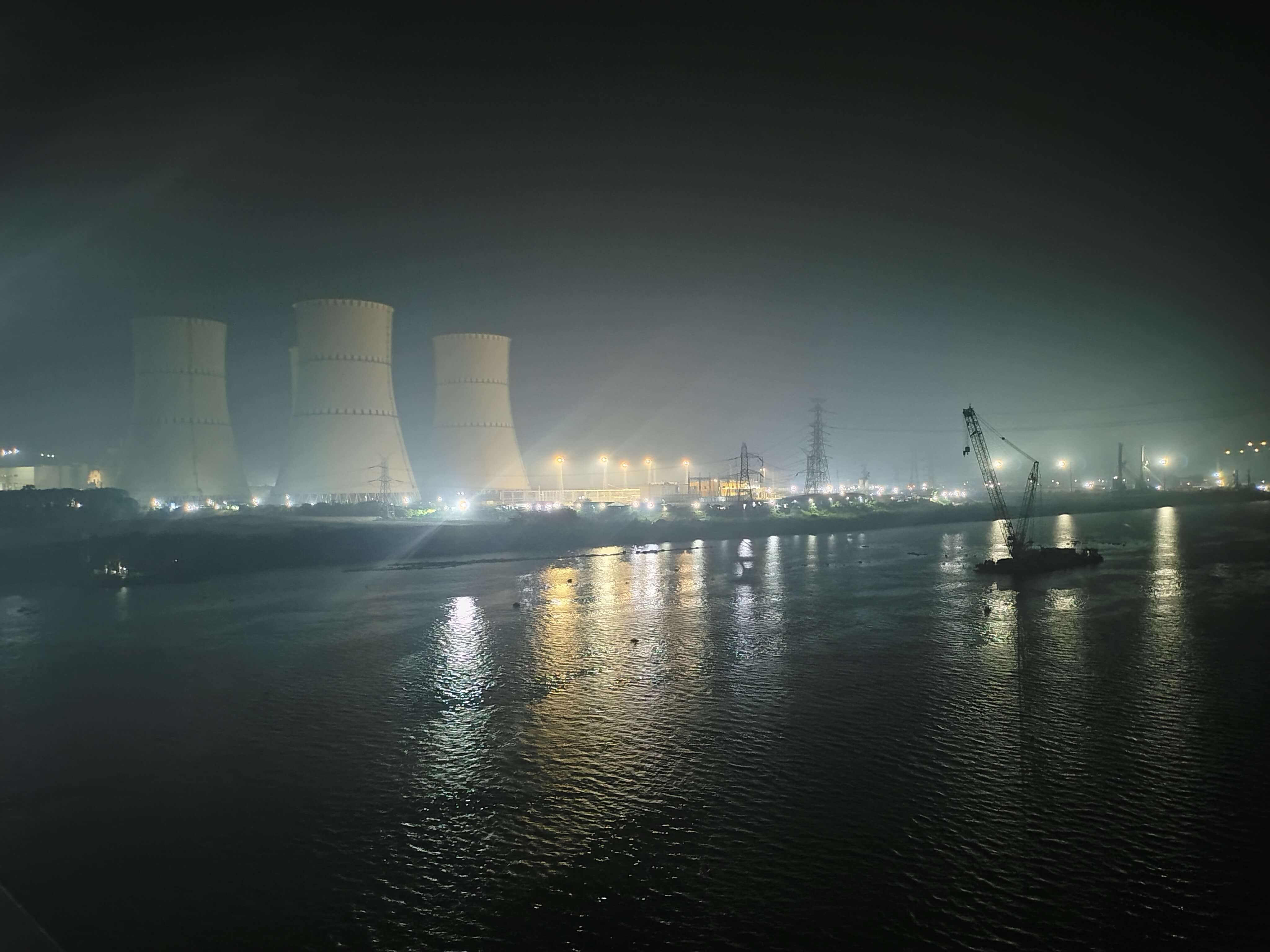
⚙️ Project Overview
-
Project Name: Rooppur Nuclear Power Plant (RNPP)
-
Location: Rooppur, Ishwardi Upazila, Pabna District, Bangladesh
-
Energy Type: Nuclear
-
Reactor Type: VVER-1200 (Water-Water Energetic Reactor)
-
Total Planned Capacity: 2,400 MW (2 × 1,200 MW)
-
Technology Provider: Rosatom, Russia
-
Construction Start: November 2017
-
Expected Operation: Unit-1 (by 2025), Unit-2 (by 2026)
-
Cost Estimate: $12.65 billion (approx.)
🛠️ Design and Technology
The RNPP is being constructed using Generation III+ reactor technology, known for its:
-
Enhanced safety features
-
Longer operational life (up to 60 years, extendable to 80)
-
High energy efficiency
-
Passive safety systems to prevent meltdowns
The VVER-1200 reactor is equipped with a double containment structure and a core catcher, designed to mitigate any potential accidents, including core meltdown scenarios.
🌱 Why Nuclear Power?
Bangladesh faces rising energy demands due to rapid industrialization and urbanization. Conventional power sources—mostly gas and coal—are not enough and are not environmentally sustainable.
Nuclear energy offers:
-
Low greenhouse gas emissions
-
Reliable base-load power
-
Long-term energy independence
-
Job creation and skilled workforce development
With RNPP, Bangladesh aims to diversify its energy mix and reduce dependence on fossil fuels.
🤝 International Collaboration
The project is being built under an intergovernmental agreement between Bangladesh and Russia. Russia's Rosatom State Corporation is the main contractor and technology supplier. Notably, Russia is also financing 90% of the project through a state loan, which Bangladesh will repay over 28 years, including a 10-year grace period.
Key collaborators:
-
Rosatom (Russia) – Engineering, technology, and fuel supply
-
BAEC (Bangladesh Atomic Energy Commission) – Project management
-
IAEA (International Atomic Energy Agency) – Oversight and safety compliance
🧪 Safety and Regulation
Safety is the cornerstone of RNPP. The plant adheres strictly to the IAEA’s safety standards, covering all phases from construction to decommissioning. The Bangladesh Nuclear Regulatory Authority (BNRA) oversees safety regulations and licensing.
📈 Economic and Strategic Importance
-
Energy Security: Adds 15-20% to the national grid
-
Industrial Growth: Supports high-energy industries
-
Technological Advancement: Promotes nuclear science and research
-
Employment: Thousands of direct and indirect jobs
-
National Prestige: Places Bangladesh among the 33 nuclear power nations
🏗️ Construction Challenges
Constructing a nuclear power plant involves:
-
Geological and seismic studies
-
Massive civil infrastructure
-
Skilled workforce training
-
Public awareness and transparency
Bangladesh has addressed these through international partnerships, careful planning, and regulatory frameworks.
🌉 Bonus Feature: The Lalon Shah Bridge
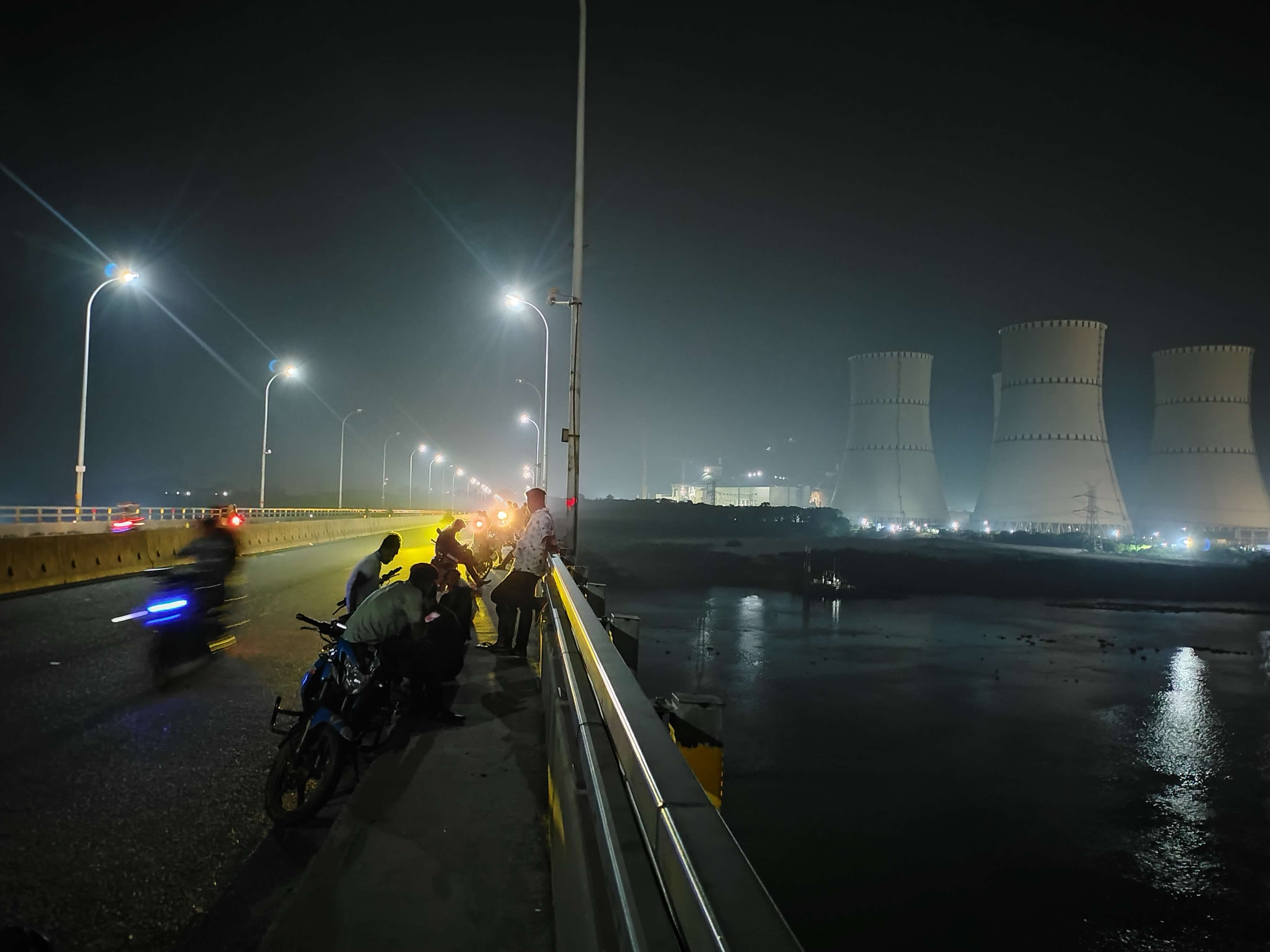
Located near the RNPP is the Lalon Shah Bridge, an architectural marvel in its own right. Spanning 1.8 kilometers across the Padma River, this steel truss bridge connects the western and northern regions of Bangladesh and plays a vital role in logistics, trade, and travel.
Named after the legendary mystic bard Lalon Shah, the bridge stands as a symbol of connectivity and cultural unity. It also supports both road and railway infrastructure, essential for transporting materials during RNPP’s construction.
🔮 The Road Ahead
Bangladesh is stepping confidently into the nuclear age. Once operational, Rooppur Nuclear Power Plant will:
-
Light up millions of homes
-
Fuel industrial development
-
Help combat climate change
-
Inspire a new generation of scientists and engineers
It’s not just about energy—it’s about building a knowledge-based, energy-secure, and prosperous Bangladesh.
📝 Final Thoughts
The Rooppur Nuclear Power Plant is more than a power project—it's a national transformation initiative. With cutting-edge technology, robust international partnerships, and a firm vision, RNPP is setting a new standard for infrastructure and sustainability in South Asia.
Bangladesh’s atomic energy journey has truly begun—with Rooppur lighting the way.
"Energy is the golden thread that connects economic growth, social equity, and environmental sustainability." — Ban Ki-moon
Related Posts




Leave a Comment