Apple WWDC 2025: AI-Powered Future

Shawon
10 months ago • 06 Jun 2025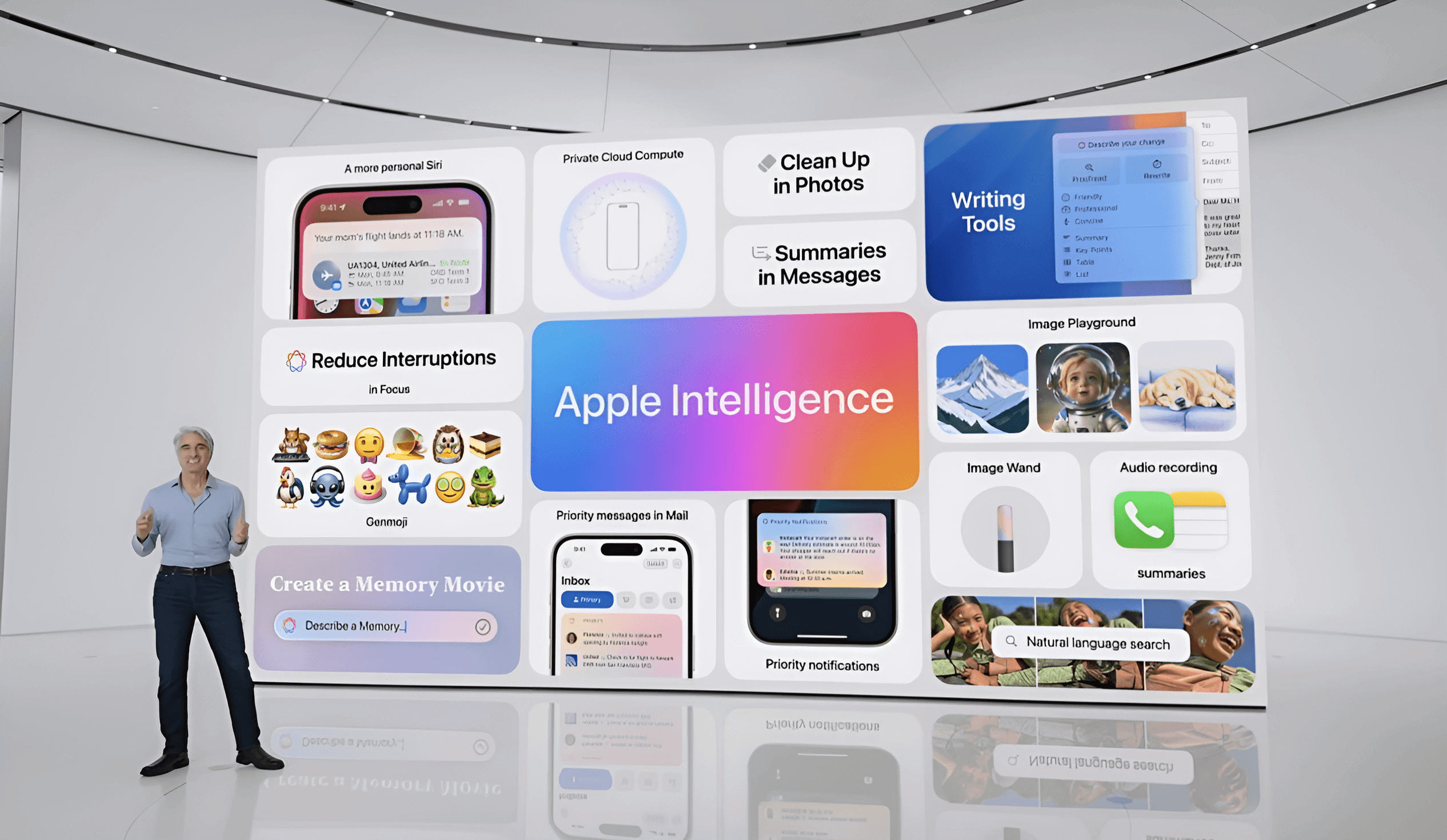
As the countdown to Apple’s WWDC 2025 (Worldwide Developers Conference) begins, the tech world is abuzz with anticipation—especially regarding Apple’s long-awaited push into artificial intelligence. Slated for June 9, 2025, this year’s keynote is expected to showcase a wave of AI-powered features across iOS 26, macOS 15, and beyond.
While Apple has traditionally taken a more conservative and privacy-first approach to AI, 2025 is shaping up to be a turning point. Instead of flashy, experimental models, Apple seems focused on seamless, deeply integrated intelligence that enhances user experience without compromising trust.
🔍 Smarter Siri: Finally Worth Talking To?
One of the most anticipated announcements is a completely overhauled version of Siri. Apple has reportedly been working on integrating a powerful on-device LLM (large language model) that can understand natural conversations more fluidly. This means fewer robotic responses and more contextual understanding, such as:
-
Following multi-step instructions (“Set an alarm for 6 AM and text John if I snooze it.”)
-
Personalized suggestions based on usage patterns
-
Offline processing for enhanced privacy
🧠 AI Across the OS: More Than Just Siri
iOS 26 and macOS 15 will likely include AI upgrades across the board:
-
Mail & Messages: Smart replies and email summarization
-
Photos: Advanced photo editing with generative fill and scene re-lighting
-
Notes & Reminders: Automatic tagging, summarizing, and voice transcription
-
Safari: AI-powered reading mode, summarization of articles, and voice navigation
Apple’s Focus on Privacy remains a central theme. Most models are expected to run on-device or in a secure iCloud enclave, aligning with the company’s historical emphasis on data protection.
🤖 Apple’s Unique AI Strategy: Integration Over Imitation
While Google, Microsoft, and OpenAI have pushed the boundaries of raw model power, Apple’s approach seems to prioritize reliable, invisible intelligence. The company isn’t aiming to shock users with ChatGPT-like conversations but rather to silently empower daily interactions.
According to Bloomberg’s Mark Gurman, Apple is also partnering with OpenAI for certain cloud-powered functions, possibly bringing ChatGPT-style responses into Apple services like Spotlight, Safari, or Siri—but with Apple’s signature restraint and control.
🌍 Broader Ecosystem: From Vision Pro to CarPlay
Expect AI features to extend to the entire Apple ecosystem:
-
Apple Vision Pro could leverage generative AI for immersive environments and productivity tools.
-
CarPlay might get intelligent route summaries, proactive notifications, and more conversational assistance.
📱 Why This Matters
Apple entering the AI race seriously—on its own terms—has massive implications. With over 2 billion active devices, even a cautious rollout could redefine how billions interact with AI every day.
This shift also signals something deeper: AI isn’t just a trend. It’s becoming foundational, and Apple’s WWDC 2025 may mark the moment that intelligence becomes truly invisible, intuitive, and indispensable.
“Apple’s AI evolution isn't just about keeping up—it’s about reimagining how intelligence enhances privacy, performance, and personal connection.” — Tech Analyst, 2025
Related Posts




Leave a Comment