Amazon & Microsoft Now Generate 25–30% of Their Code Using AI

Shawon
10 months ago • 24 Jun 2025
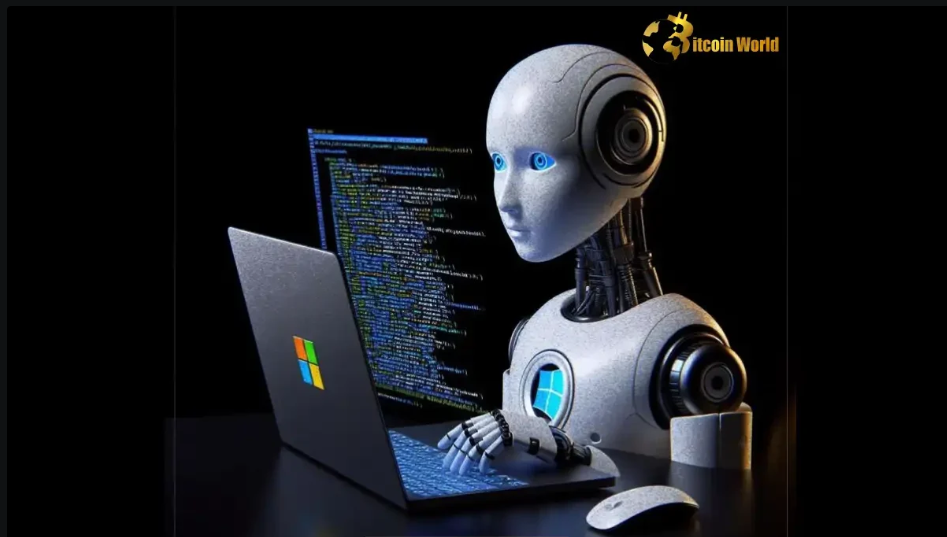
In 2025, top-tier tech companies—including Amazon, Microsoft, and Google—have fully embraced generative AI within their software development workflows. Internal disclosures suggest that Amazon and Microsoft now generate approximately 25% of their new code using AI, with certain engineering teams reporting levels reaching 30%.
This revelation came to light during Meta’s LlamaCon, where Microsoft CEO Satya Nadella confirmed:
“Maybe 20%, 30% of the code that is inside of our repos today … are probably all written by software.”
Google is reportedly ahead of the curve, with more than 30% of its codebase now being AI-generated, while Meta’s CEO Mark Zuckerberg has stated that AI could account for 50% of their engineering work within a year.
This dramatic shift is turbocharging productivity, allowing smaller teams to build, ship, and iterate faster than ever before. The financial implications are also clear: AI-assisted development is helping companies cut costs and streamline operations.
However, this revolution comes with serious caveats. Studies estimate that around 30% of AI-generated code may contain bugs or security flaws, raising alarms about code quality, long-term maintainability, and ethical responsibility.
On the employment front, companies like Salesforce, Shopify, and Duolingo are reducing or pausing developer hiring, citing AI-driven efficiency gains. The broader industry is feeling the ripple effects: a Pew Research Center survey revealed that software engineers are now considered among the most vulnerable professions in this new AI-dominated era.
As the debate continues, one thing is clear—the future of software development is being co-written by humans and machines.
References
-
Business Insider | Link
-
Times of India | Link
-
RD World Online | Link
-
The Register | Link
-
NY Post | Link
-
Economic Times | Link
“Maybe 20%, 30% of the code that is inside of our repos today … are probably all written by software.” — Satya Nadella, Microsoft CEO at LlamaCon 2025
Related Posts



Leave a Comment